Filter By
Filter By
Price
  • €6.00 - €905.00

Categories

Sensors

Filter By
€39.89 No tax
Registrate y consigue un descuento
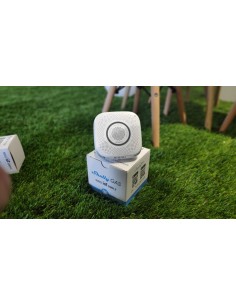
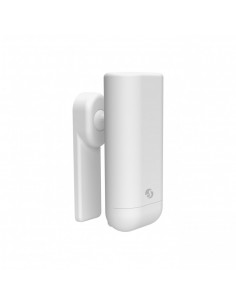
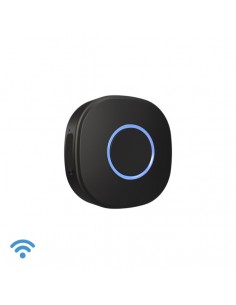
SHELLY MOTION Always-on Wi-Fi motion sensor with over 1 year of battery life, powered by Silicon Labs Wi-Fi IoT Solutions. With a 6500 mAh rechargeable battery. Compatible with Alexa.
€58.69 No tax
Registrate y consigue un descuento
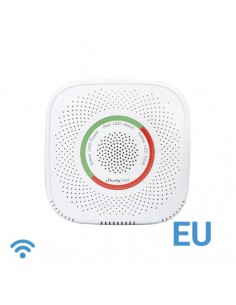
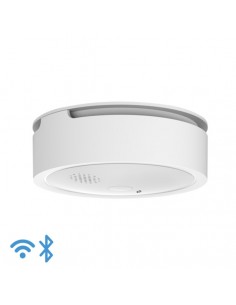
SHELLY GAS LPG  Shelly GAS is a compact and highly sensitive WiFi-operated Liquefied Petroleum Gas (LPG) detector with light and sound alarm that provides additional protection for your home and family.Combined with...
€58.69 No tax
Registrate y consigue un descuento
SHELLY GAS CNG Shelly GAS is a compact and highly sensitive WiFi-operated natural gas detector with light and sound alarm that provides additional protection for your home and family. Combined with SHELLY GAS ADDON...
€26.62 No tax
Registrate y consigue un descuento
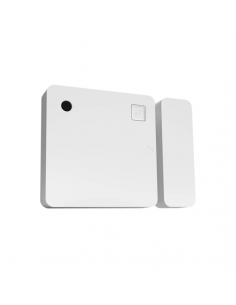
SHELLY FLOOD WiFi Operated Flood Sensor. Shelly Flood detects any type of leak and has a built-in temperature sensor. It is the world's first Wi-Fi flood sensor with temperature measurement, which works for up to 18...
Showing 1-54 of 54 item(s)

Frequently Asked Questions

What are the typical wiring requirements for installing sensors in a smart home environment? +

When installing sensors, it is essential to consider:

  • Voltage Range: Most sensors operate within a 12-24V DC range.
  • Amperage Limits: Ensure that the total current consumption of the sensors does not exceed the rated limits of the power supply.
  • Neutral Wire Requirements: Some sensors may require a neutral wire for proper operation, especially those that are powered continuously.
  • Installation Depth: Check the installation depth requirements to ensure proper placement in junction boxes or wall cavities.

What automation integrations are supported by sensors, and how can they be configured? +

Sensors can typically be integrated with various home automation systems. Common integrations include:

  • Home Assistant: Most sensors can be easily configured with Home Assistant using MQTT or REST API protocols.
  • Alexa and Google Home: Check for compatibility with voice assistants for seamless automation.
  • MQTT: Ensure your sensor supports MQTT for real-time data transmission.
  • Matter: Some modern sensors may support Matter for enhanced interoperability.

Configuration limitations may arise based on the specific sensor model and the automation platform used.

What are the differences between motion sensors, temperature sensors, and humidity sensors? +

Each type of sensor serves a unique purpose:

  • Motion Sensors: Detect movement and are often used for security and automation, typically using PIR technology.
  • Temperature Sensors: Measure ambient temperature and can be used in HVAC systems for efficient climate control.
  • Humidity Sensors: Monitor moisture levels and are essential in environments like greenhouses or HVAC systems.

Each sensor type may have different wiring requirements and integration capabilities, so refer to individual specifications for accurate installation guidelines.

What troubleshooting steps should be taken if a sensor is not responding? +

If a sensor is not responding, consider the following troubleshooting steps:

  • Check Power Supply: Verify that the sensor is receiving the correct voltage and is properly wired.
  • Inspect Connections: Ensure all wires are securely connected and not damaged.
  • Review Automation Configurations: Confirm that the sensor is correctly added to your home automation system.
  • Reset the Device: Some sensors may require a reset to re-establish communication.

By following these steps, you can identify and resolve common issues with sensor functionality.

What are some common use cases for sensors in smart home automation? +

Sensors play a crucial role in enhancing smart home functionality. Common use cases include:

  • Security: Motion sensors trigger alerts or cameras when movement is detected.
  • Climate Control: Temperature and humidity sensors adjust HVAC systems to maintain optimal conditions.
  • Automation: Sensors can trigger lights or appliances based on occupancy or environmental conditions.
  • Energy Monitoring: Certain sensors track energy usage to optimize consumption.

These applications highlight the versatility and importance of sensors in smart home environments.

Menu

Create a free account to save loved items.

Sign in