Access

Filter By
€59.94 No tax
Registrate y consigue un descuento
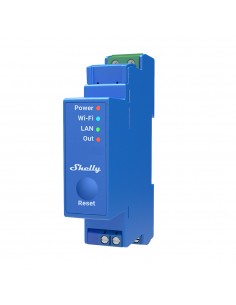
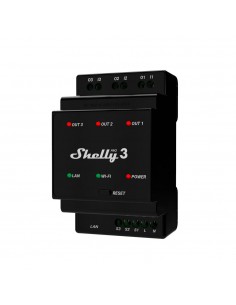
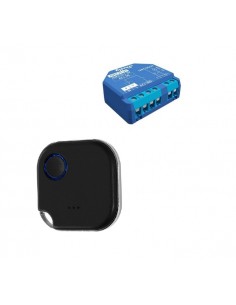
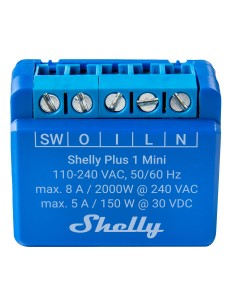
Professional 1 channel relay with Wi-Fi, LAN, and Bluetooth connection, suitable for home and facility automation with remote control. DIN rail mountable insde a breaker box. Enhanced safety features and compatible...
Showing 1-13 of 13 item(s)

Frequently Asked Questions

What are the typical wiring requirements for access control devices? +

Access control devices typically require a stable power supply, usually operating at 12V or 24V DC. Wiring should adhere to European electrical standards, ensuring that the correct gauge of wire is used to handle the amperage limits of the specific device. A common configuration includes the use of a neutral wire, especially for powered locks and controllers.

How do I integrate access control devices with Home Assistant or other smart home platforms? +

Most access control devices offer compatibility with smart home platforms like Home Assistant, Alexa, and Google Home through protocols such as MQTT and REST API. Ensure that the device has these integrations available. Configuration typically involves adding the device to your home automation system and setting it up according to the provided API documentation.

What installation scenarios should I consider for access control systems? +

Installation scenarios for access control systems can vary widely. Common setups include:

  • Standalone systems: Directly controlling doors without additional automation.
  • Networked systems: Integrated with other building management systems for centralized control.
  • Remote access: Using mobile applications for control over the internet.

Each scenario may require different wiring layouts and configurations based on the number of devices and their functionalities.

What are the differences between various access control device types? +

Access control devices can vary significantly in functionality:

  • Keypads: Require a code input; typically need a power supply and may support dry contact for triggering locks.
  • Card readers: Use RFID or NFC technology; installation often requires additional wiring for power and data.
  • Biometric scanners: Offer high security but may have stricter power and installation depth requirements due to complex circuitry.

Understanding these differences is crucial for proper installation and integration.

What troubleshooting steps should I take if my access control system is not responding? +

If your access control system is not responding, consider the following troubleshooting steps:

  • Check power supply: Ensure that the device is receiving the correct voltage and that connections are secure.
  • Inspect wiring: Look for damaged wires or loose connections that may affect functionality.
  • Verify network connections: For networked systems, ensure that the device is properly connected to the network and that there are no IP conflicts.

Document any errors indicated by the device's diagnostic features, which can assist in resolving issues.

Menu

Create a free account to save loved items.

Sign in