Control

Filter By
€58.69 No tax
Registrate y consigue un descuento
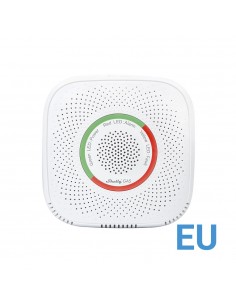
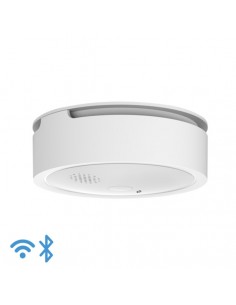
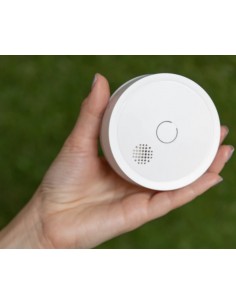
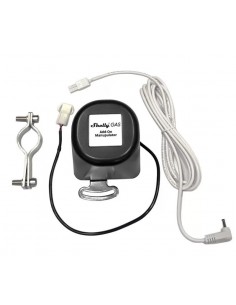
SHELLY GAS LPG  Shelly GAS is a compact and highly sensitive WiFi-operated Liquefied Petroleum Gas (LPG) detector with light and sound alarm that provides additional protection for your home and family.Combined with...
€58.69 No tax
Registrate y consigue un descuento
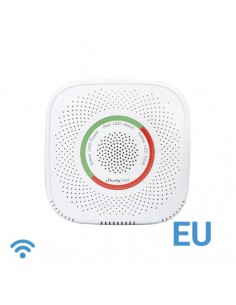
SHELLY GAS CNG Shelly GAS is a compact and highly sensitive WiFi-operated natural gas detector with light and sound alarm that provides additional protection for your home and family. Combined with SHELLY GAS ADDON...
€26.62 No tax
Registrate y consigue un descuento
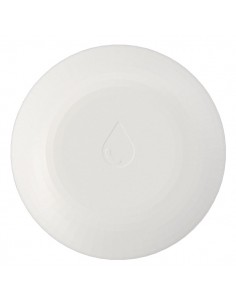
SHELLY FLOOD WiFi Operated Flood Sensor. Shelly Flood detects any type of leak and has a built-in temperature sensor. It is the world's first Wi-Fi flood sensor with temperature measurement, which works for up to 18...
Showing 1-26 of 26 item(s)

Frequently Asked Questions

What are the typical wiring requirements for control devices? +

Control devices typically require a neutral wire for proper functionality, especially in smart home applications. The voltage range is usually 230V AC, with amperage limits depending on the specific device type. For dry contact control, ensure that the device can handle the required current without exceeding its limits.

How do I integrate control devices with Home Assistant? +

To integrate control devices with Home Assistant, ensure that the device supports MQTT, REST API, or is compatible with Matter. Once connected, you can configure it within Home Assistant's user interface by adding the device to your entities and setting up automation rules as needed.

What installation scenarios should I consider for control devices? +

Common installation scenarios include:

  • Installing a control relay in a junction box for lighting control.
  • Using a smart switch in place of a traditional light switch.
  • Setting up a smart thermostat for HVAC control.

Ensure installation depth adheres to local regulations and that devices are mounted securely on a DIN rail if applicable.

What are the differences between various types of control devices? +

Control devices can vary significantly:

  • Relays: Typically used for switching and can handle higher loads.
  • Smart switches: Allow for manual and remote control of devices.
  • Smart thermostats: Focused on maintaining desired temperatures and optimizing energy usage.

Each type has specific wiring and configuration requirements, so refer to the manufacturer's specifications.

What troubleshooting steps should I take if my control device is not responding? +

If your control device is not responding, consider the following troubleshooting steps:

  • Check the wiring connections to ensure they are secure and correct.
  • Verify that the device is powered and that the voltage levels are within the specified range.
  • Ensure the device is correctly configured within your automation system.
  • Consult the user manual for specific reset procedures or error codes.

Sometimes, reinitializing the device or updating its firmware can resolve connectivity issues.

Menu

Create a free account to save loved items.

Sign in