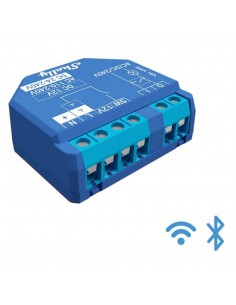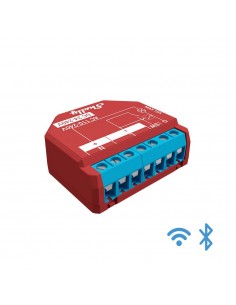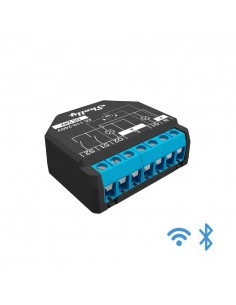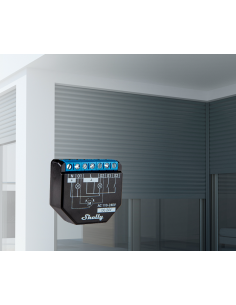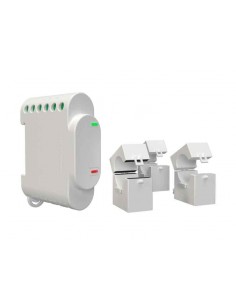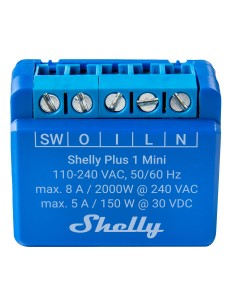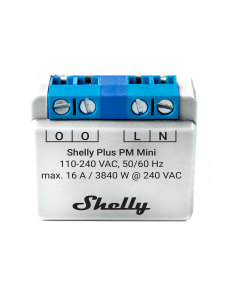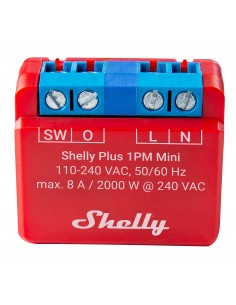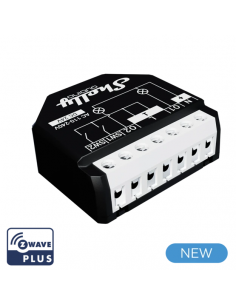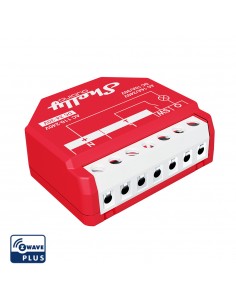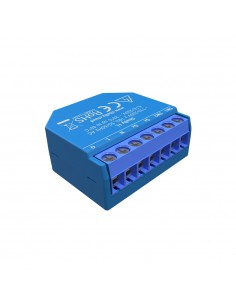
Smart relays

Smart relays - Shellyspain | Official distributor in Spain
Filter By
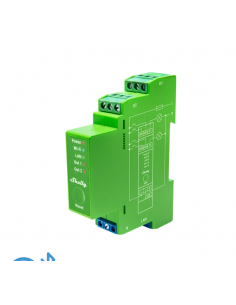
€59.94 €59.94 
 
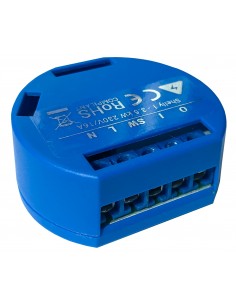
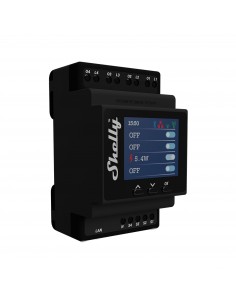
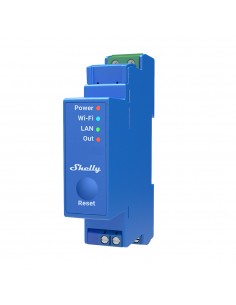
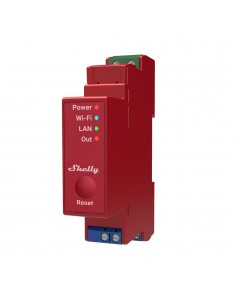
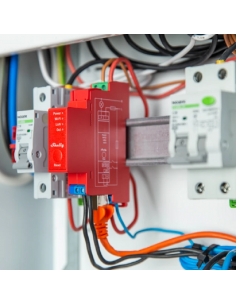
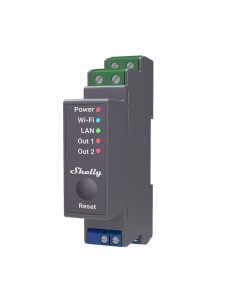
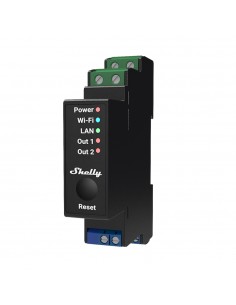
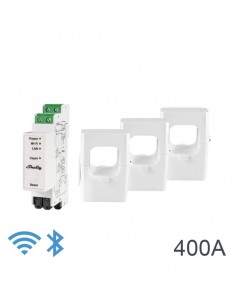
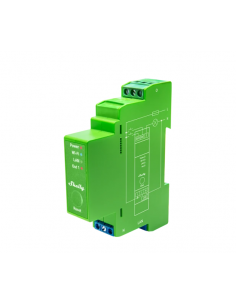
Professional 1 channel relay with Wi-Fi, LAN, and Bluetooth connection, suitable for home and facility automation with remote control. DIN rail mountable insde a breaker box. Enhanced safety features and compatible...
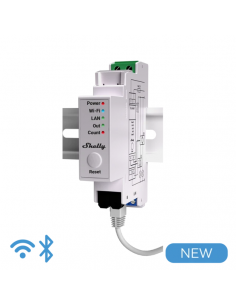
€100.96 €100.96 
 
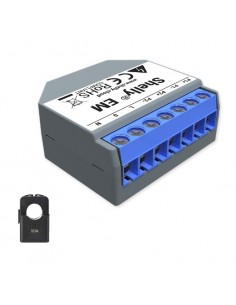
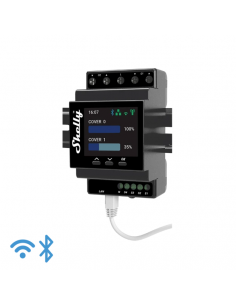
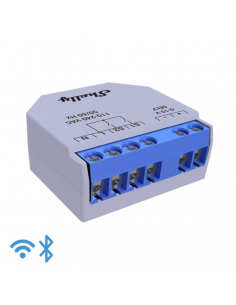
2 channel DIN-rail relay switch with power metering and cover (roller) control Professional 2- channel relay with Wi-Fi, LAN, and Bluetooth connection. Suitable for office and business facility automation with...
Showing 1-93 of 93 item(s)

Frequently Asked Questions

What are the typical wiring requirements for installing smart relays? +

Smart relays typically require a neutral wire for proper operation. The wiring should conform to European standards, with voltage ranges often between 230V AC and 24V DC. Ensure that the amperage limits of the relay are not exceeded, usually rated around 16A for standard applications. Installation depth may vary, so always check the manufacturer's specifications for DIN rail mounting requirements.

What are common troubleshooting steps if my smart relay is not responding? +

If your smart relay is not responding, check the following:

  • Ensure that the power supply meets the device's voltage and amperage requirements.
  • Verify that the relay is properly wired, including the neutral connection.
  • Check network connectivity if using Wi-Fi or Ethernet.
  • Reset the device according to the manufacturer's instructions.

What are the differences between relay types in the smart relay category? +

Smart relays can vary by functionality:

  • Single-channel relays: Control one device or circuit.
  • Multi-channel relays: Control multiple devices or circuits, suitable for complex automation.
  • DIN rail mounted vs. wall mounted: DIN rail options are ideal for central distribution boards, while wall-mounted units suit individual room applications.

What are typical use cases for smart relays in residential automation? +

Smart relays are commonly used for:

  • Controlling lighting systems, allowing for scheduling and remote control.
  • Managing electric blinds and curtains through automation.
  • Integrating with HVAC systems for enhanced energy efficiency.
  • Enabling smart home features such as scene control and energy monitoring.

Menu

Create a free account to save loved items.

Sign in