Energy

Filter By
€100.96 €100.96 
 
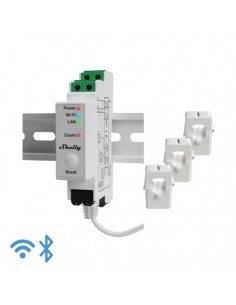
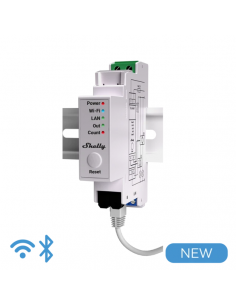
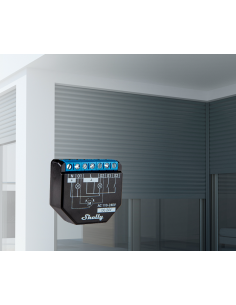
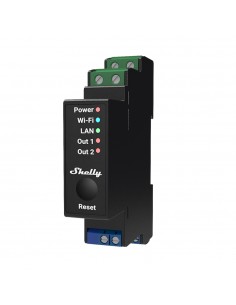
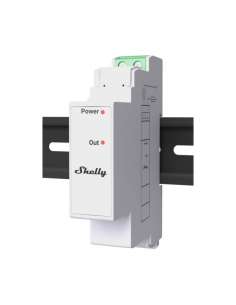
2 channel DIN-rail relay switch with power metering and cover (roller) control Professional 2- channel relay with Wi-Fi, LAN, and Bluetooth connection. Suitable for office and business facility automation with...
€36.30 €36.30 
 
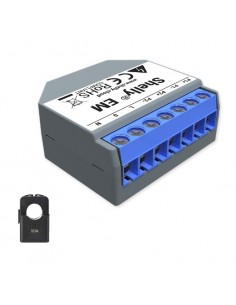
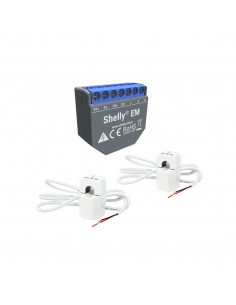
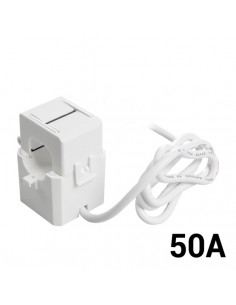
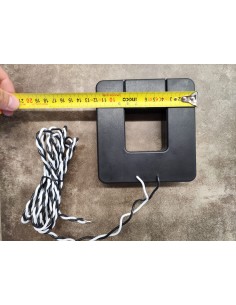
SHELLY EM 50A Monitor the consumption of the entire installation or the electricity generated from solar panels. It is also possible to monitor 2 independent single-phase circuits. Contactor control functionality...
Showing 1-56 of 56 item(s)

Frequently Asked Questions

What are the wiring requirements for energy monitoring devices? +

Energy monitoring devices typically require a minimum of a live wire (L), neutral wire (N), and in some cases, a ground wire (PE). The voltage range usually falls between 230V AC for European standards, with amperage limits depending on the specific device, often ranging from 10A to 16A. Ensure that the installation depth complies with local electrical codes and that the devices are mounted on standard DIN rails when applicable.

How can I integrate energy monitoring devices with home automation systems? +

Many energy monitoring devices are compatible with popular home automation frameworks such as Home Assistant, MQTT, REST API, and Matter. To integrate, ensure that the device supports these protocols or APIs. This will allow you to monitor energy consumption, set automation rules, and receive notifications based on energy usage.

What are common troubleshooting steps for energy monitoring devices? +

If your energy monitoring device is not displaying data, check that:

  • All connections are secure and wired correctly according to the manufacturer's specifications.
  • The device is powered and within the correct voltage range.
  • There are no tripped circuit breakers affecting the device.
  • The device is properly configured within your home automation system, including any required API keys or MQTT settings.

What are the differences between energy monitoring devices and smart plugs? +

Energy monitoring devices are typically installed in the electrical panel and provide detailed data on overall energy consumption for the entire circuit or home, while smart plugs are installed at the outlet level and measure the consumption of individual devices. Energy monitoring devices often offer more advanced features such as dry contact outputs for integration into automation systems, whereas smart plugs focus on remote control and scheduling.

Are energy monitoring devices compatible with voice assistants like Alexa and Google Home? +

Yes, many energy monitoring devices offer integration with voice assistants such as Alexa and Google Home. Check the device specifications for compatibility and ensure that it is set up correctly within the associated app to enable voice commands for monitoring energy consumption or controlling connected devices.

Menu

Create a free account to save loved items.

Sign in